Happy Birthday: beautiful postcards and warm words of remembrance on parents' day to the point of tears
- Новости
- Local news
- Happy Birthday: beautiful postcards and warm words of remembrance on parents' day to the point of tears


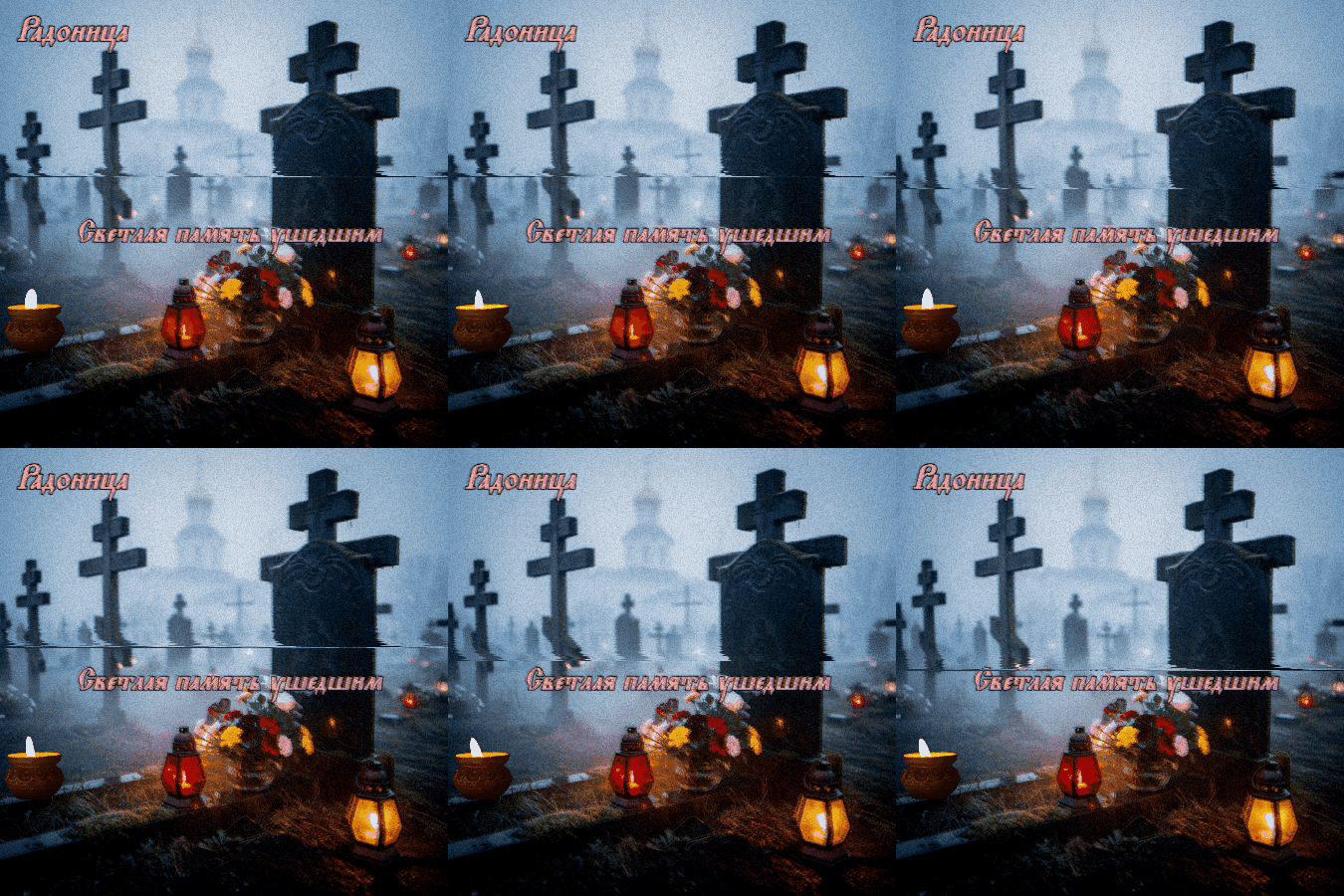
Radonitsa is a special day of church—wide commemoration of the dead, which is celebrated nine days after Easter, on Tuesday. In 2026, the celebration falls on April 21. On this day, believers visit temples and cemeteries where they commemorate their deceased loved ones. Izvestia has prepared touching postcards with Radonitsa, which can be shared on messengers and social networks.
Touching postcards with Radonitsa
It is believed that the holiday originated from the church rule, according to which during Great Lent memorial services are postponed to special days — Parental Saturdays. On Easter and the days of the Bright Week following it, memorial services are not held at all.
According to the church regulations, commemoration of the dead is allowed on the first weekday, when it is possible to celebrate the full liturgy. This day is considered to be the Tuesday after the Light Week, or the ninth day after Easter.
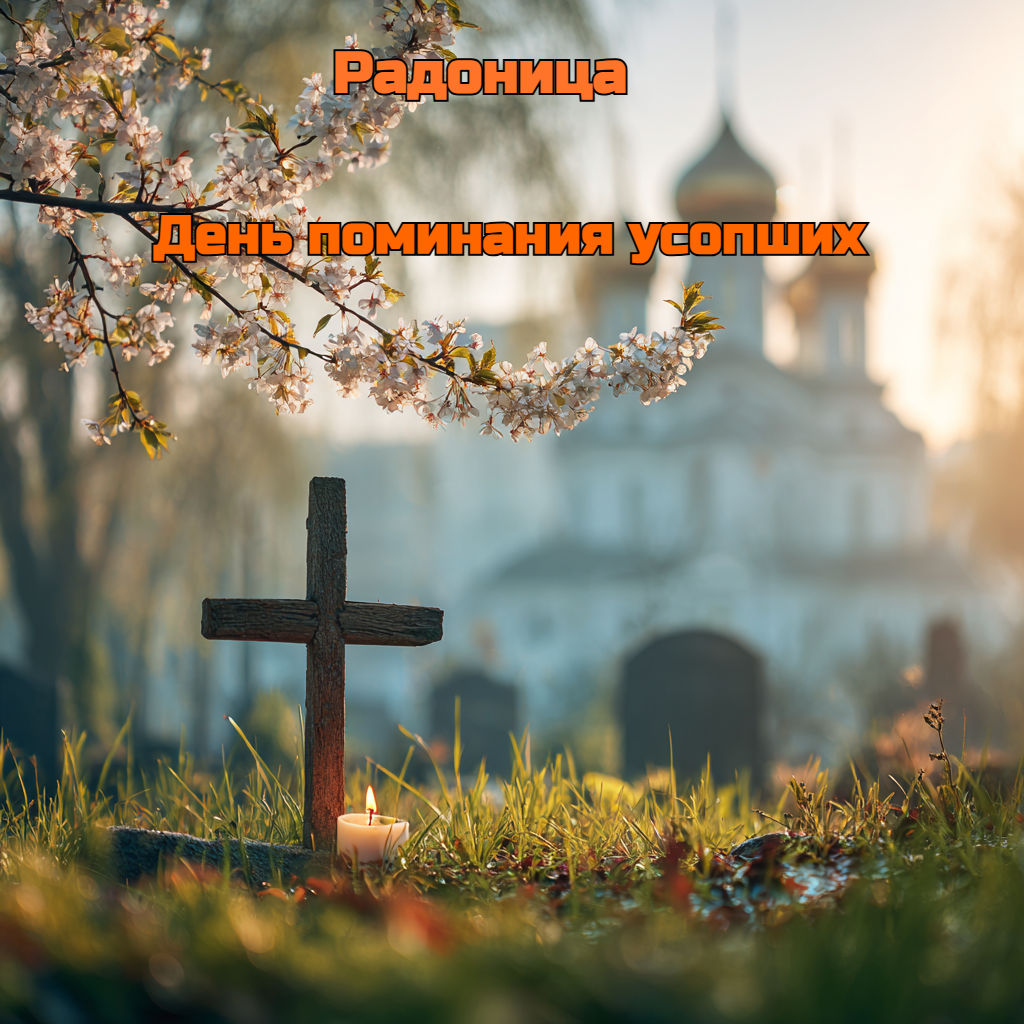
The name of the celebration comes from the word "joy" and reminds believers that death is not the end: thanks to the crucifixion and Resurrection of Christ, a person receives hope for eternal life. The Church calls on the Orthodox not to be sad about the separation from their loved ones, but to rejoice at the rebirth of their souls.
Traditions of commemorating the dead existed in Russia long before the adoption of Christianity, they were called "spring commemorations." Often, the days on which the dead were remembered fell on the solstices and equinoxes. People believed that at that time the line between the worlds of the living and the dead was thinning.
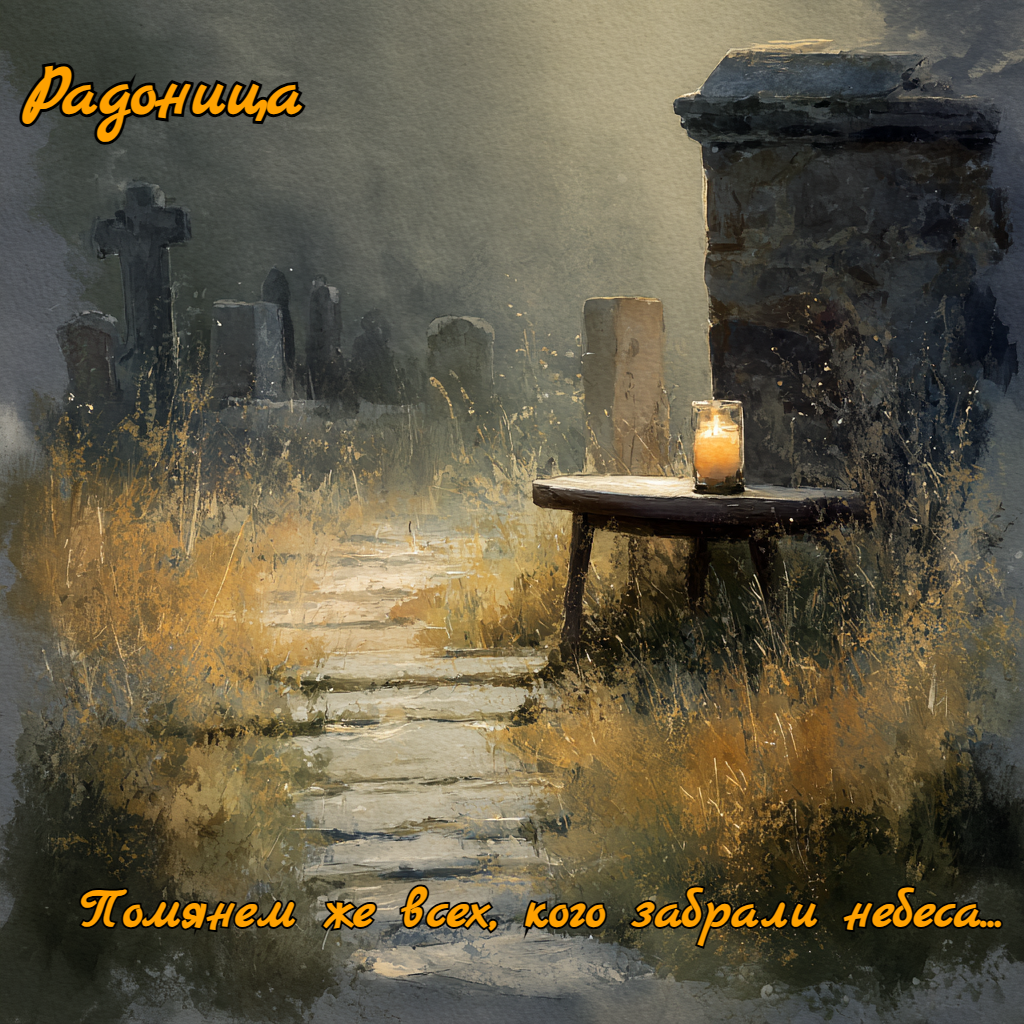
On Radonitsa, believers remember all their deceased relatives and loved ones. At the same time, it is believed that on a holiday you should first attend a service in the temple. On the evening before the celebration, you can submit notes with the names of relatives who need to be mentioned during the service.
It is recommended to visit the cemetery to commemorate the deceased after the liturgy and memorial service. When visiting the grave, it is worth saying a prayer for the repose of the soul. From the point of view of Orthodoxy, prayer is the best thing that the living can give to the deceased, since after death a person loses the ability to cleanse himself of sins on his own. Those who remember him can do this for him through prayer, donations, and doing good deeds. You can also invite a priest to serve a memorial service.
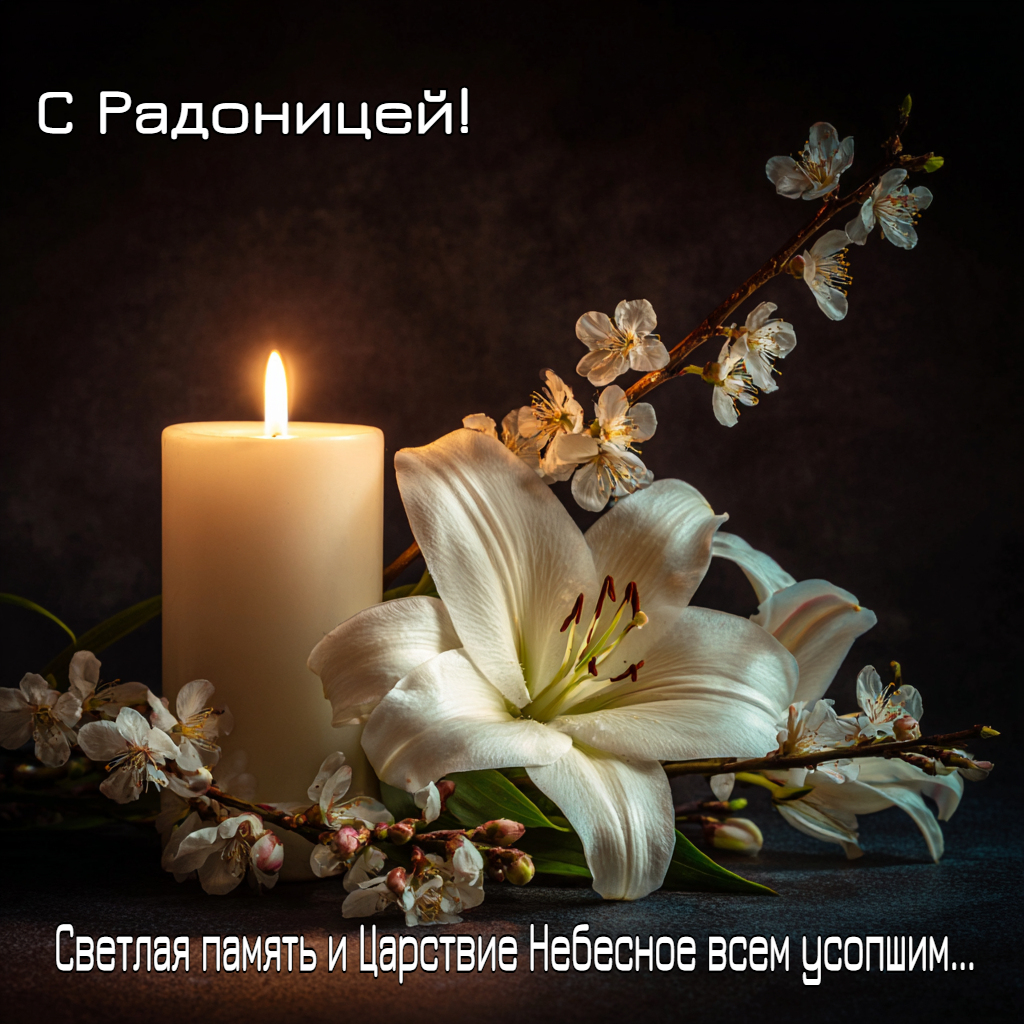
It is customary to honor the memory of the deceased on Radonitsa, but even on this day there are certain restrictions. For example, the church does not pray for suicides, unbaptized and representatives of other faiths. Accordingly, it is forbidden to put candles for them, and their names are not mentioned during the divine service. Prayers for such people should be read only at home.
On the holiday, commemoration of the dead is performed not only in temples, but also in cemeteries. At this time, Orthodox Christians can come to the grave of the deceased to put it in order: to remove garbage, wash the monument, paint the fence, plant flowers. This is a sign of respect for the memory of the deceased.
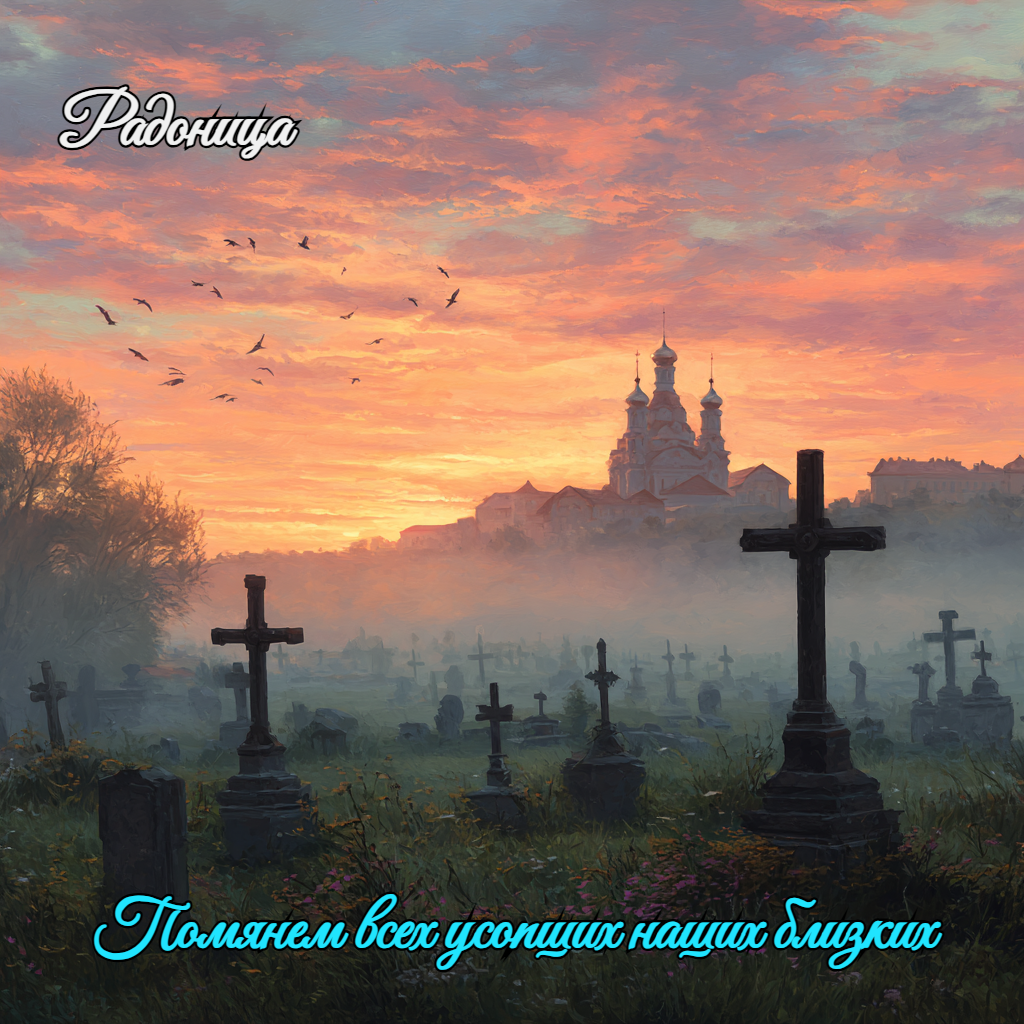
At the same time, it is not recommended to leave food on the graves, as well as to arrange memorial feasts near the burial sites. Such actions are considered a violation of Orthodox tradition. It is better to give colored eggs, cakes and other treats to those in need or take them to the temple.
On this day, Orthodox Christians can have memorial meals at home, but they should not be too noisy. During the meal, you can share memories of the deceased, talk about his good qualities and kind deeds. However, you should not drink alcohol at the same time, since the Orthodox Church itself does not commemorate the deceased with alcoholic beverages.
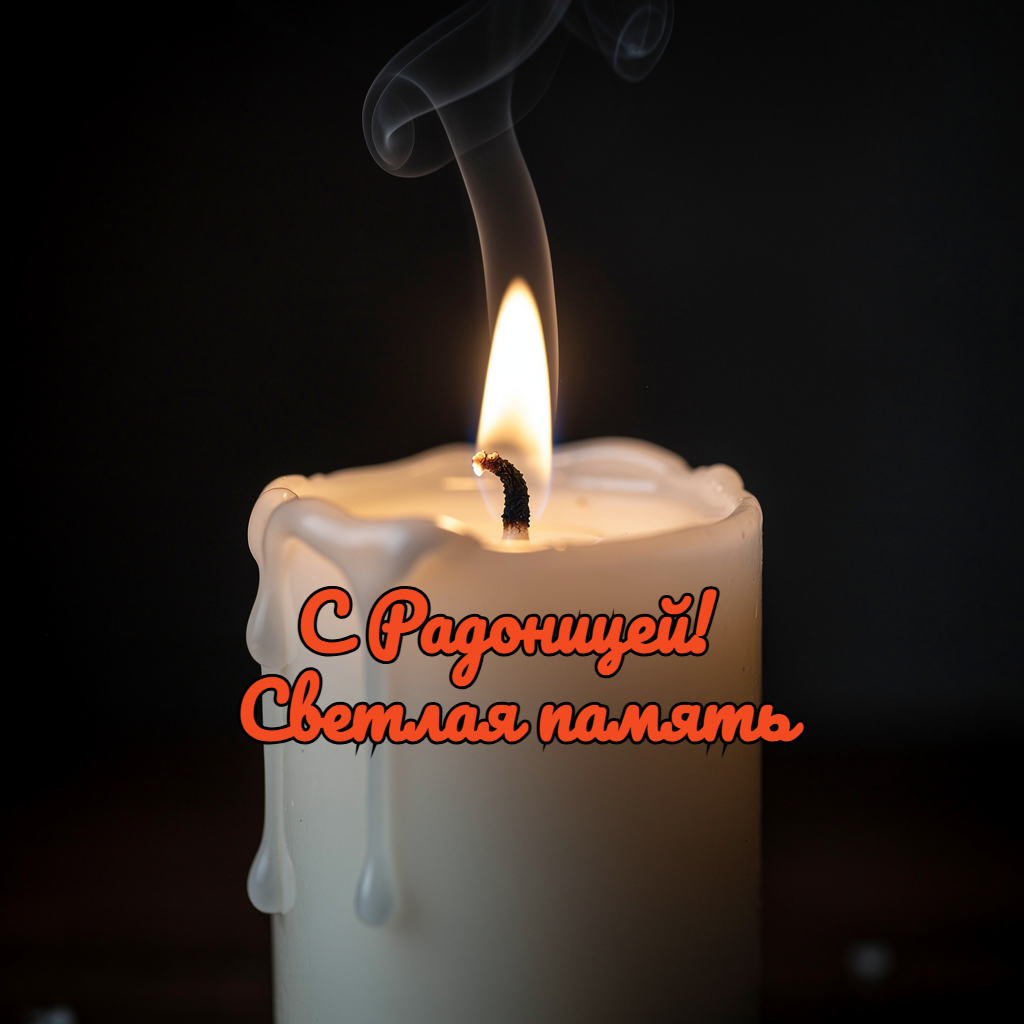
In addition, on Radonitsa it is not recommended to quarrel with someone, swear and remember bad things about the deceased, they should be remembered only with a kind word. The Orthodox should also not grieve. It is assumed that the Savior's Resurrection defeated death, so despondency is inappropriate.
According to another belief, on this day you should not do household chores, as well as work in the garden, so as not to "disturb the earth." However, the church itself does not set any restrictions on this issue, the main thing is that the spiritual meaning of the celebration does not fade into the background.
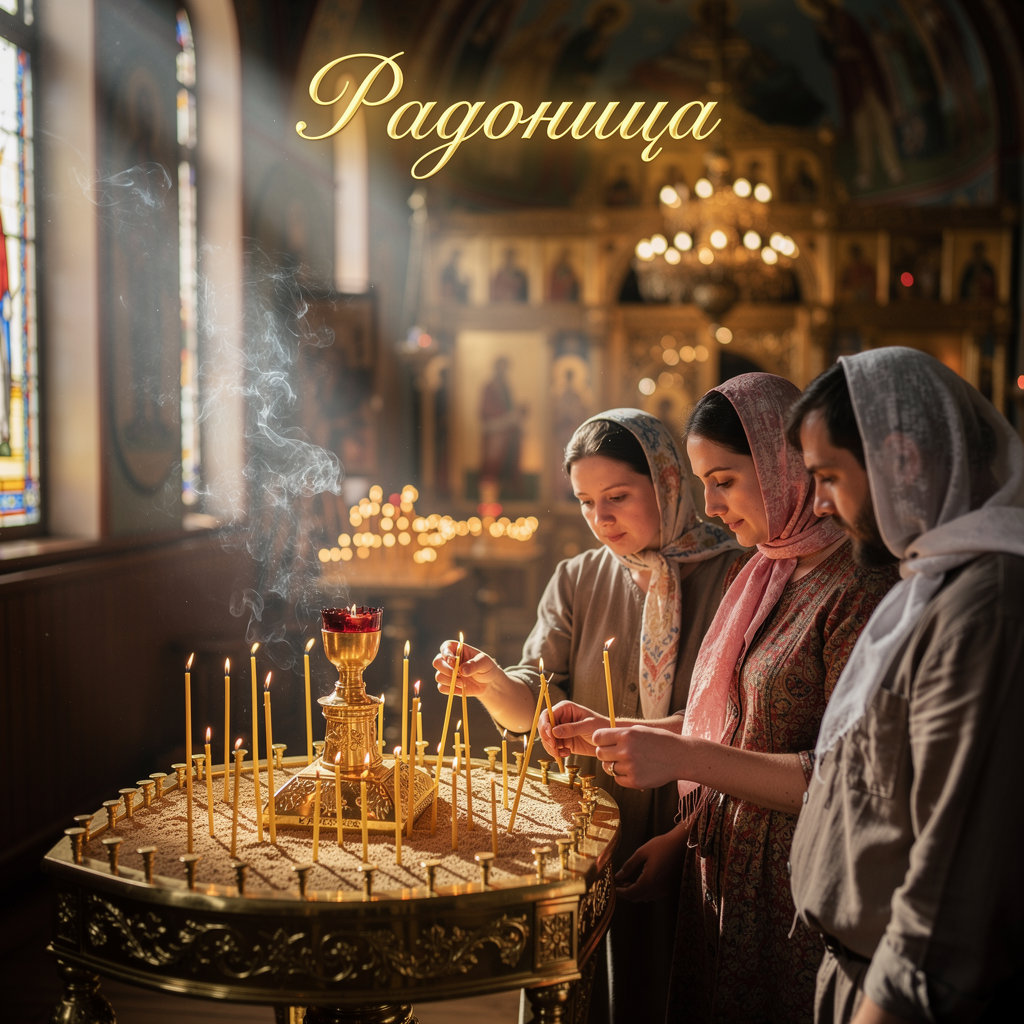
Touching words on Radonitsa
"On Radonitsa, the memory of the deceased becomes especially quiet and deep. On this day, it's like we're approaching those who haven't been hugged for a long time, but whom it's impossible to stop loving. We remember their voices, habits, care, views, and our hearts respond not only with the pain of loss, but also with gratitude for having them in our lives. May our prayer for them be warm, sincere, and full of hope for God's mercy."
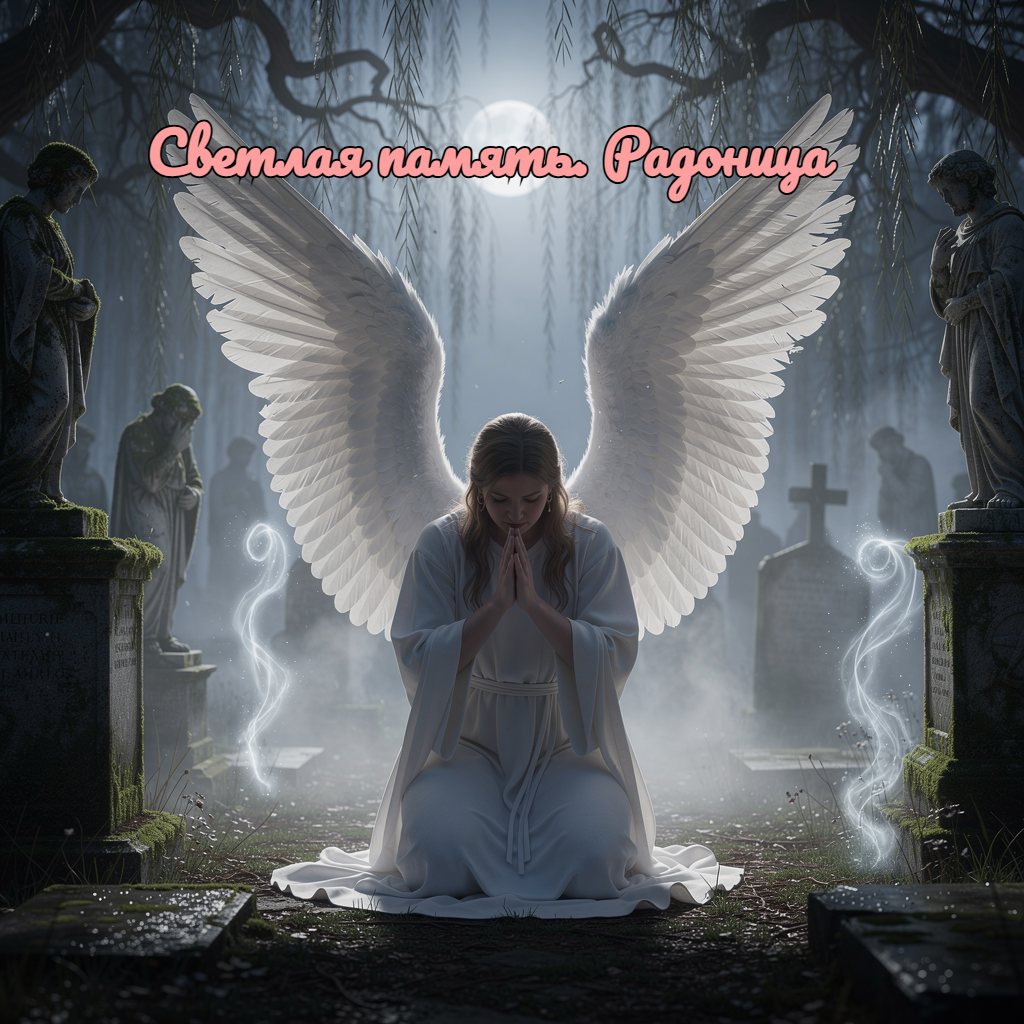
"We remember the dead not only on memorial Day, but also on Radonitsa, and this memory becomes a common prayer of the heart. She unites those who left and those who stayed in one quiet and deep feeling. And even though earthly separation is still difficult, faith helps us hope that nothing is lost from God and no one disappears without a trace."
"Radonitsa is a day when sorrow does not disappear, but becomes softer and brighter. We remember the deceased not as distant shadows of the past, but as dear people whose presence has remained forever in our memory. They are no longer around in earthly life, but love for them continues to live in us — in our prayers, in our tears, in our silence. And there is always a place of hope in this silence."
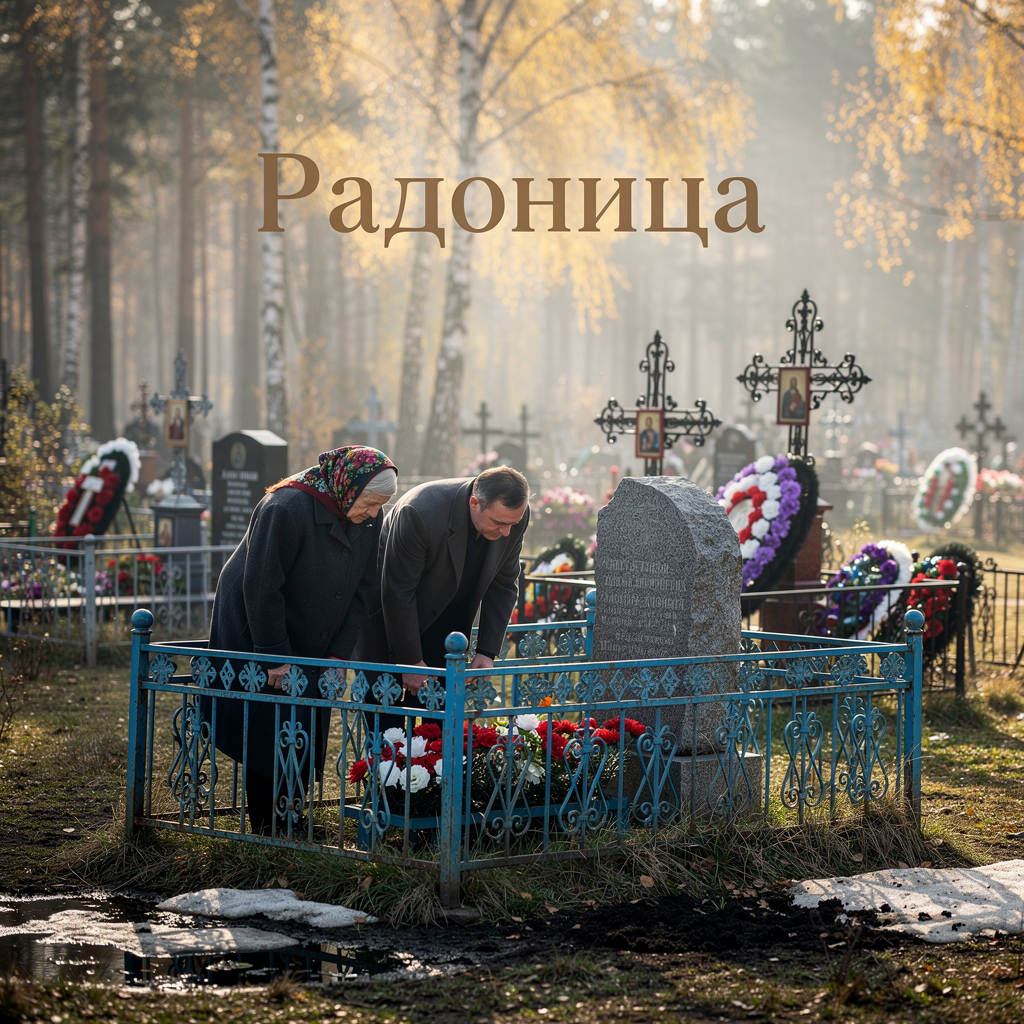
"On this day, I especially want to talk about the departed carefully and quietly, as if afraid to break the sacred silence of memory. We do not add big words to their names, but inner warmth, prayer and gratitude. After all, every person we remember has left a mark on our soul. And as long as this trace is alive, as long as the memory is alive, the separation does not seem final."
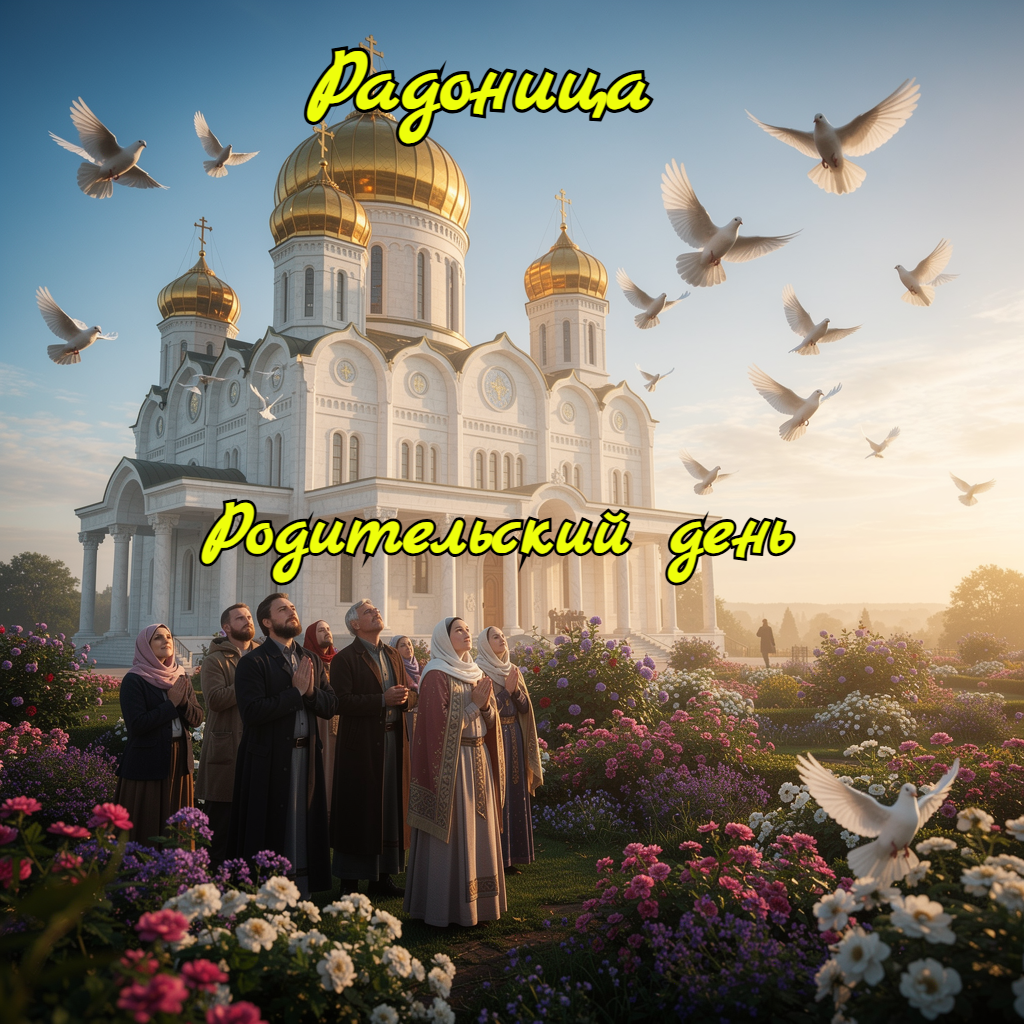
"On Radonitsa, I especially want to ask for the deceased, not just peace, but light and mercy. I want to believe that the Lord sees their souls in a way that we cannot, and accepts them with the love that we often lack on earth. And on this day, we really need patience, prayer and the strength to keep our memory carefully, without despair."
"On Radonitsa, the heart seems to get closer to those who have left. Memories come especially clearly: simple words, ordinary days, familiar faces, gestures that used to seem familiar, but now have become priceless. We remember the deceased with sorrow, but also with the quiet hope that the Lord will not forsake their souls and grant them the peace that the human heart so seeks."
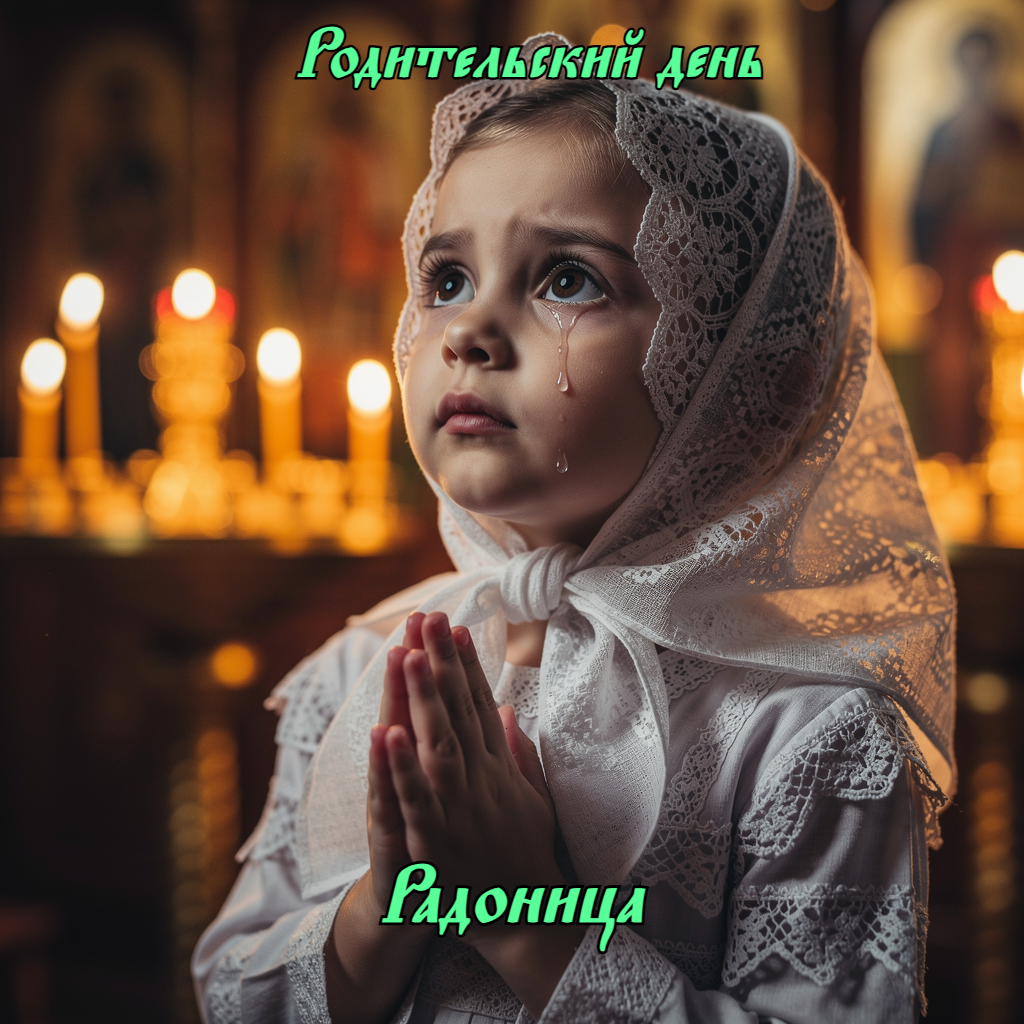
"Sometimes the most touching commemoration is not words, but a quiet standing in silence, when everything important has already been said with the heart. On Radonitsa, it is precisely this kind of silence that is especially deep. It contains love, tears, prayer, and hope. May the Lord hear all that we cannot put into words."
"Radonitsa reminds us that the memory of loved ones is a living part of our soul. The deceased remain in how we think, how we love, how we pray, how we cherish everything that is connected with them. We come to them with quiet sorrow and with the hope that the light of the Resurrection also touches those whom we remember today by name, with love and trembling."
"On Radonitsa, I would like to remember everyone who left slowly, with inner attention and gratitude. Someone left a warm word in life, someone - an example of patience, someone — a feeling of home that will never happen again. We pray for them with humility, trusting in the Lord what we can no longer change ourselves. And in this trust, a quiet hope is born."
"Happy New Year! On this day, I would like to remember the deceased as they lived in our hearts: not as distant images, but as loved ones, with whom everything is connected to the present. A part of our life goes with them, but the meaning of this connection does not disappear. On the contrary, memory makes it even deeper, because there is nothing accidental or superficial in it anymore."

"On Radonitsa, the grief becomes not as acute as in the days of the first losses, but no less deep. She no longer screams, but lives inside as a quiet pain, intertwined with love. We remember the departed with tenderness, because over time we understand especially clearly the value of the simplest moments that were given to us next to them. That's why prayer sounds especially sincere on this day."
"Today it is so important to remember the deceased without fuss, without external noise, in silence and inner reverence. To remember them not only through loss, but also through the good that they managed to leave in this world. And then commemoration becomes not only sadness, but also gratitude — quiet, deep, very personal. One that only the heart understands. Happy New Year!"
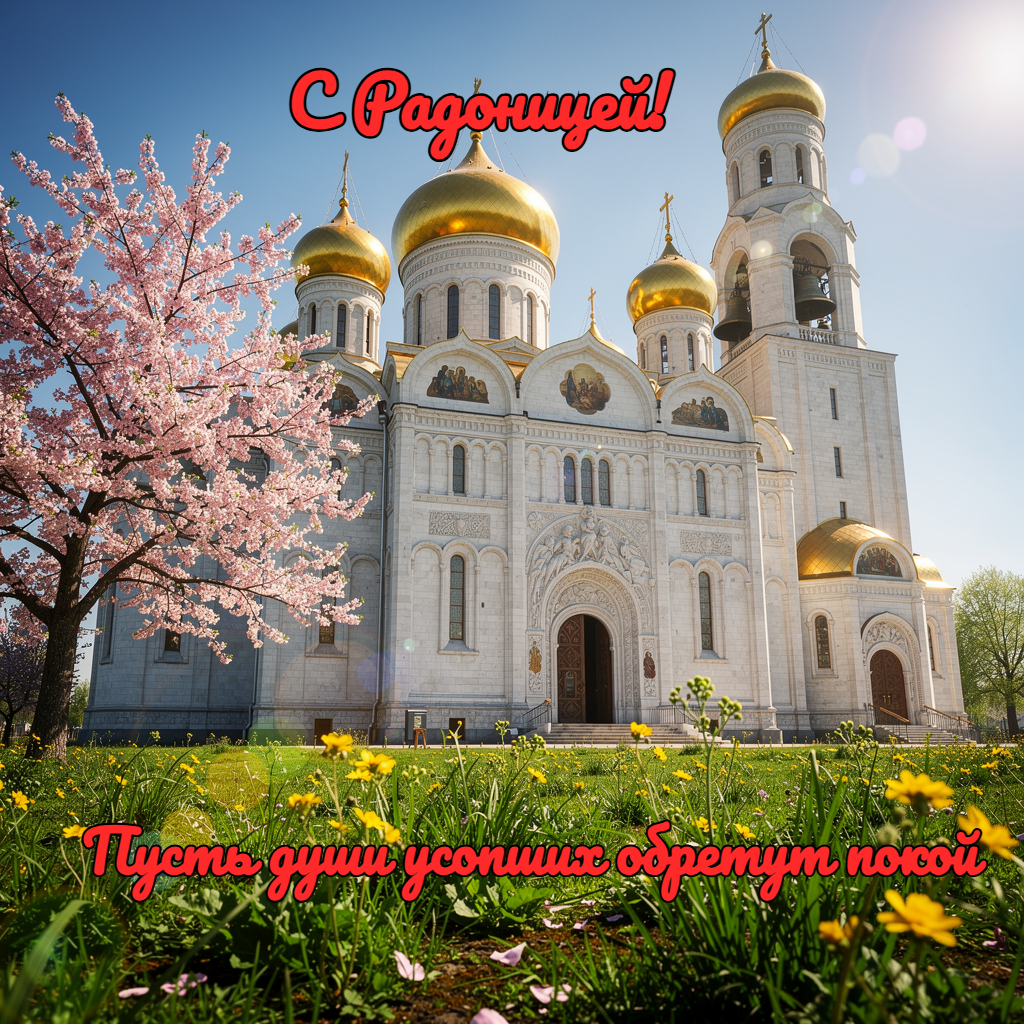
"On memorial Day, you feel especially acutely how important it is to have time to love while the person is around. But even after leaving, love doesn't get any smaller — it just changes its voice. It sounds in prayer, in tears, in memories, in the desire to keep the good name of the deceased pure and bright. And this is the deep meaning of Radonitsa."
"The deceased remain with us in memory, just as expensive things remain in the house, which no one touches without trepidation. We keep their names, their intonations, their habits, their words, and sometimes one memory can hurt more than long thoughts. But on Radonitsa, even this pain becomes quieter, because prayer and hope for God's peace arise next to it."
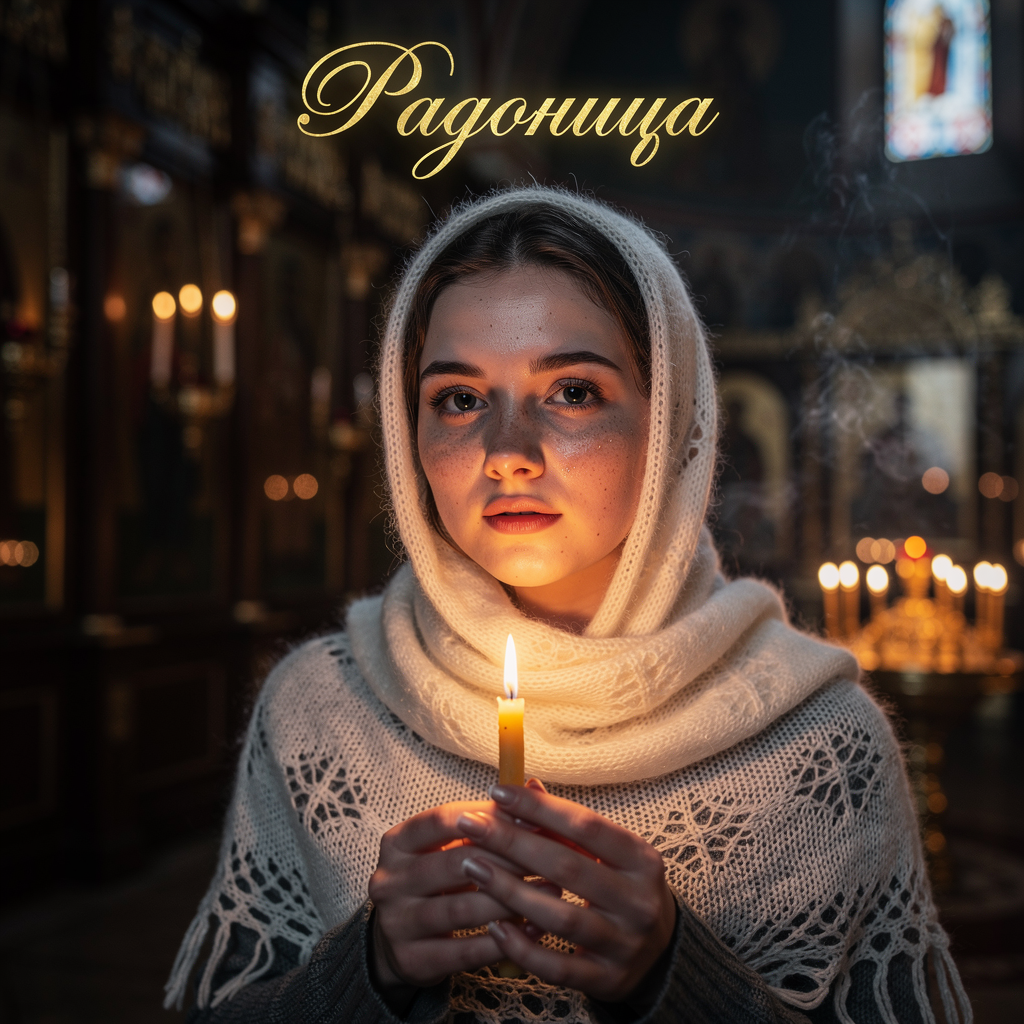
"Radonitsa brings with it a special feeling — not joy in the usual sense, but quiet solace. It comes when a person stops holding on only to pain and allows the memory to be bright. We remember the deceased with tears, but also with gratitude for every day we have lived together. May the Lord accept our prayers for them."
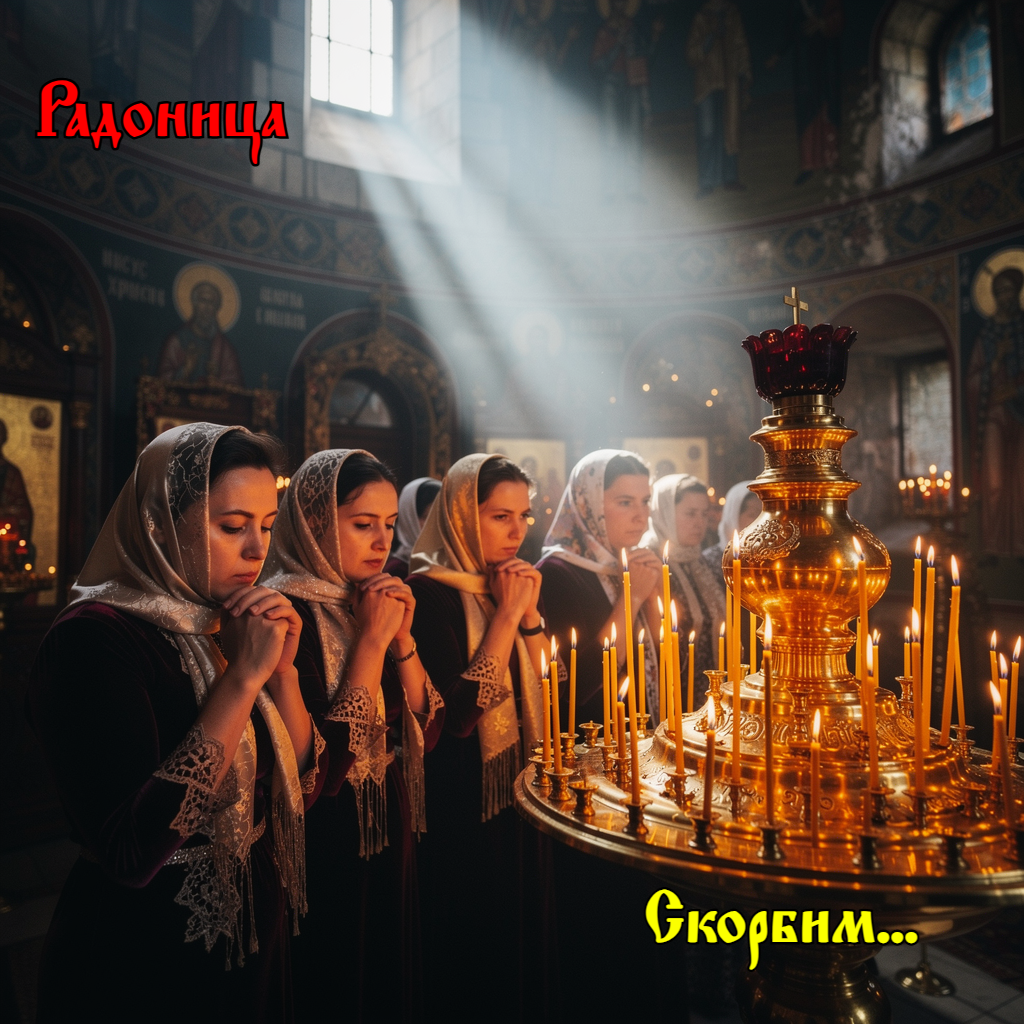
"On Radonitsa, you especially clearly feel how fragile human life is and how great the power of love is. The deceased can no longer answer us in words, but they continue to speak a lot through their memory. Through their trace in our soul, through the qualities that we have learned from them, through the silence in which we continue to address them. And this is also a form of love."
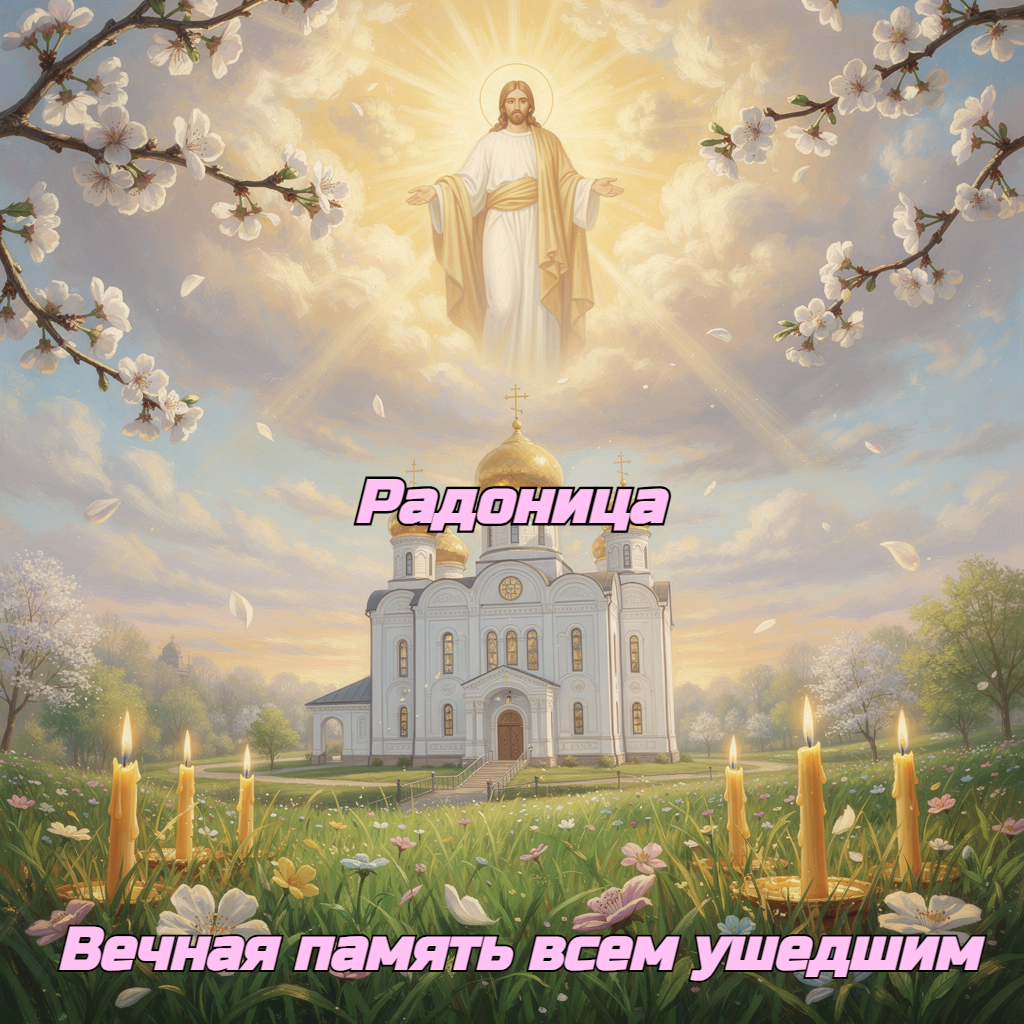
"Let the memory of the deceased on Radonitsa be not cold and formal, but lively, warm, and deep. May we remember them with tenderness, with gratitude, with prayer, in which there is no fuss and empty words. And even if there is a quiet hope in the midst of sadness in the heart: love does not disappear, God's mercy does not run out, and memory can be bright even through tears."
"Radonitsa teaches us to experience sorrow not alone, but in the face of God. It doesn't cancel out the pain, but it makes it cleaner and quieter. We commemorate the deceased with the hope that the Lord will give them peace, and comfort us, which does not destroy the memory, but on the contrary, makes it brighter and more grateful."
"Radonitsa is a day when it is easier for a person to admit to himself how much he continues to love the departed. Not in words, but in those feelings that rise from the depths of the soul. There is pain, tenderness, gratitude, and hope in this love. And all this is combined in one simple petition: Lord, rest their souls and grant them Your peace."
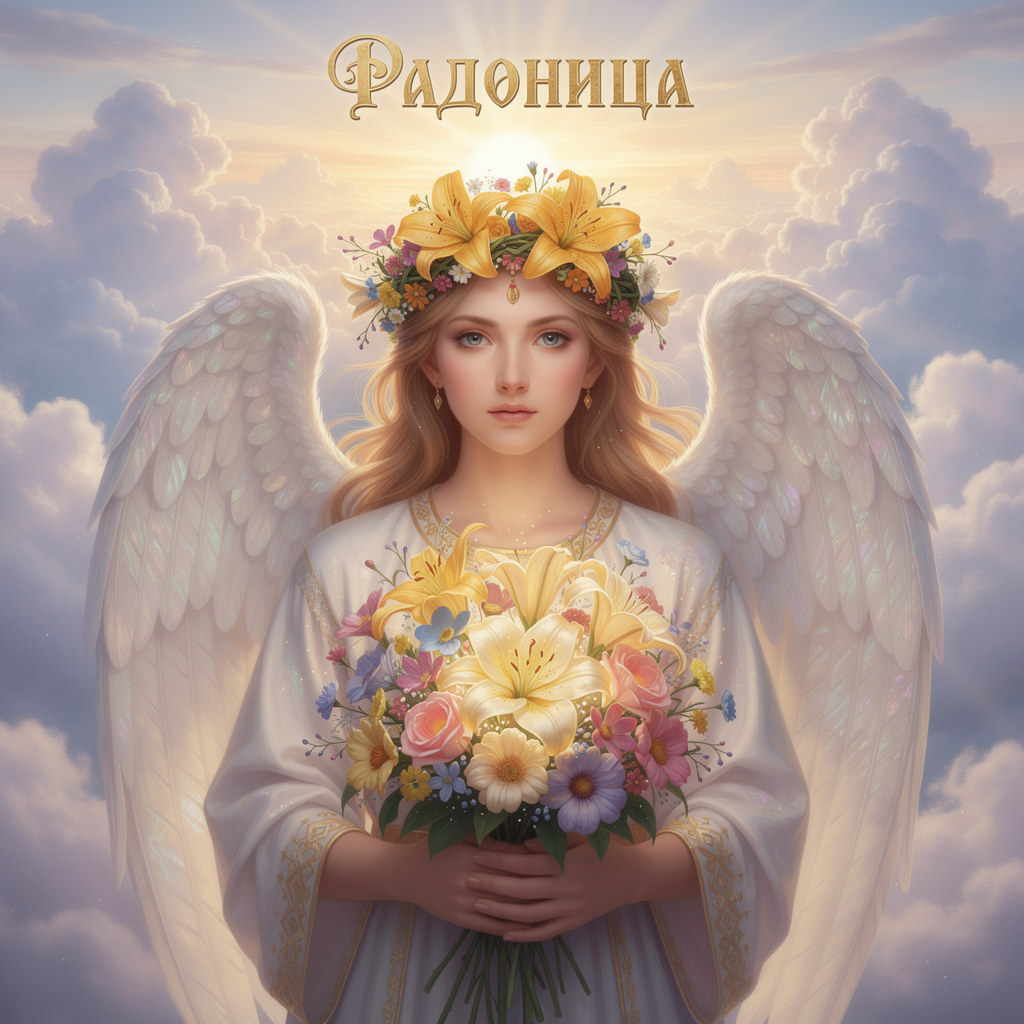
"There are losses that are impossible to get used to until the end. Even years later, there remains a feeling of understatement, of unfinished intimacy, of unfinished conversation. Radonitsa does not negate this pain, but it helps to experience it in a different way — not alone, but in prayer. And this is no longer darkness, but the quiet light of hope that supports the soul."
"Radonitsa reminds us that the memory of loved ones should not only be heavy. Yes, there are tears in it. Yes, there is a longing in her for those who cannot be returned. But at the same time, gratitude also lives in her for what she has lived next to, for all the good things that once warmed and still remains a part of us. May this memory be bright and pure"
"On Radonitsa, I especially want to believe that no sincere prayer is in vain. That the Lord hears not only words, but also tears, and silence, and all that a person does not know how to express. We commemorate the dead with the hope that God's love and mercy are stronger than human sorrow and stronger than death itself."
"Radonitsa is a time when it is especially important to remember the deceased with kindness. Do not hold heavy things in your soul, do not return to resentments, do not mentally argue with the past, but simply pray and let everything go into God's hands. Because before eternity, many things become unimportant and only love, compassion and memory remain."
"On this day, the memory of loved ones seems to become closer, clearer, warmer. What is hidden deep inside in the hustle and bustle of everyday life suddenly rises to the surface: native features, favorite words, episodes dear to the heart. And all this makes commemoration not a formality, but a real meeting of the heart with those whom it has not let go. Happy New Year!"
Переведено сервисом «Яндекс Переводчик»
