
"Murakami is a kind of Salvador Dali in literature"

On October 17, Ryu Murakami, an outspoken representative of the counterculture and a researcher of the darkest corners of human souls, died. His debut novel, All Shades of Blue, published in 1976, earned the author the Akutagawa Literary Prize and fame at home. In the USSR, Murakami gained fame as an underground author, but in the noughties serious publishing houses began to hunt for his books. This is how Ilya Svetlov learned about the talented Japanese, who presented Murakami's novels Thanatos, Parasites, Fatherland, Melancholia, The War Begins Across the Sea and a number of others in Russian. In an interview with Izvestia, a translator from Eksmo publishing house told how he came to Murakami's work, why he fought with his family for it, and why Russians loved these uncomfortable dark stories so much.
— How did your acquaintance with Ryu Murakami begin?
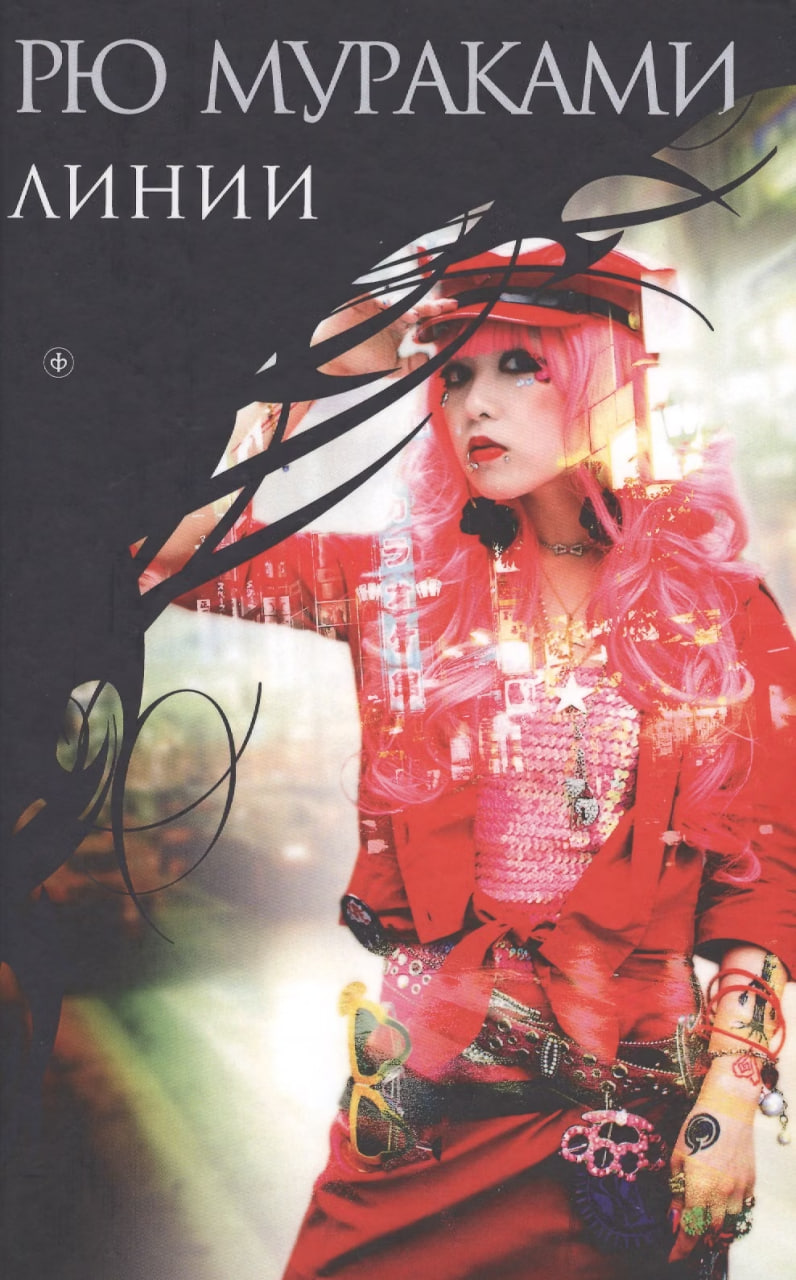
— It was in 2004. I came across an ad from the Amphora publishing house. I didn't have a rich resume as a translator — Paul Williams' book "The Biography of Bob Dylan" and Gustave Flaubert's "Salambo". I was invited to an interview and was given a book by Ryu Murakami called "Lines" to test my ability to connect two or three words. I went to Yalta in Chekhov's style, where I made a trial translation — about twenty pages and a tail. I returned the book and the translation manuscript. Six months later, I was offered my first order. The same Murakami, but a different novel is "Melancholia" from the trilogy "Monologues about Pleasure, Death and Love". I was happy. I've been trying to write short stories for many years, and I really wanted to enter literature, even from the front door, even from the office. My family and friends did not share my joy — after all, I am a lawyer, not a writer or a journalist. "You're not going to make it!" was the verdict. But the book was published, the fee was paid and a new novel was offered. And off it went.

— Japanese is different from Russian, which makes translation more difficult. What difficulties have you faced over the years?
— I translated the master's creations from French and English, because I only know "arigato" ("thank you") in Japanese. and "oyabun" ("boss, boss"). But I still faced difficulties! But not with language difficulties, but with the rejection of my work by my family. My girlfriend threw the book out of the window, and formatted the computer's hard drive. I looked like a squirrel: I hid all ten floppy disks (and then several flash drives) with backups between books, under the sofa, in secret crevices of the desk, like nuts for winter.
— Which of Murakami's novels would you call the strongest?
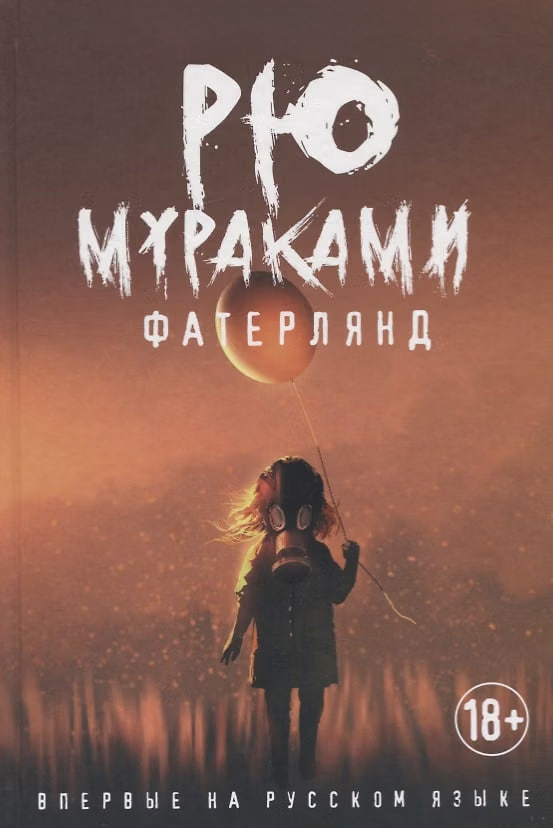
— "Fatherland". An epic painting. The apocalyptic motifs somehow echo the theme "The war begins across the sea," but the "Fatherland" still leaves a flimsy hope. In addition, it is worth noting the "Lines", where the author has applied a rather interesting technique: the end of each chapter of the story is a prologue to the next, unrelated to the previous one. And in the end, the thread of the described events seems to "loop". You can also call it the Raffles Hotel. Unexpectedly, there were no murders out of the blue, maniacal "quirks" of the main characters and other intellectual troubles, which Murakami was a great master at. A calm, even lyrical story.

— How did Murakami differ from other authors?
— Naturalism and absurdity. Murakami is a kind of Salvador Dali in literature. By the way, he also wrote good prose besides paintings. It seems that Ryu Murakami read his works, from where he got the material for his creations. He has something that distinguishes a real writer from a craftsman — he is unique. You can, for example, learn to write in the style of Chekhov or Shukshin, but who needs the second Anton Pavlovich or Vasily Makarovich? It's the same with Murakami.
— In Russia, Japanese authors are still the undisputed leaders in the segment of Asian literature. What is Ryu Murakami's place among them?
— Ryu Murakami takes the place of the worthy among the worthy. And this is a company from Natsume Soseki, Ryunosuke Akutagawa, Yasunari Kawabata, Kenzaburo Oe, Yukio Mishima. And, let me remind you, he received the Ryunosuke Akutagawa Literary Award.
— What helped Ryu Murakami achieve such popularity among Russian readers?
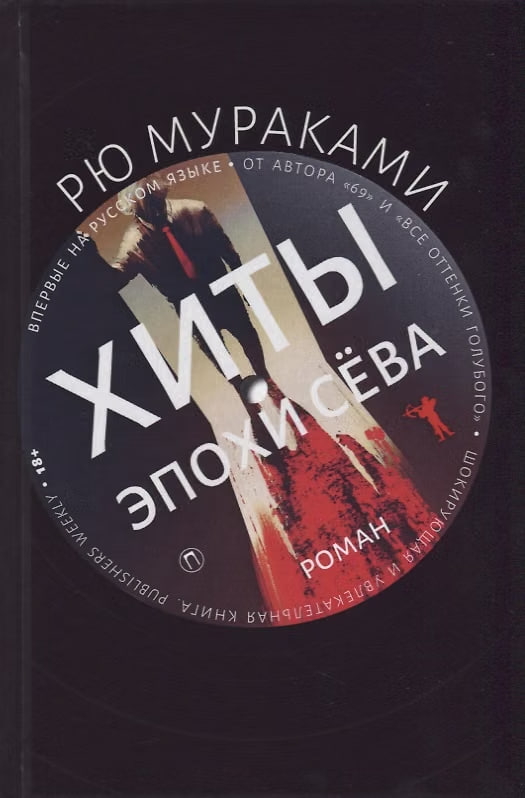
— It's like living on a volcano. Sometimes there is a bang, then there is a demarche of the allies — in a word, a "movement". So Murakami's characters are also bored, everything is wrong and wrong — and then bang! — and you don't know how it will turn out anymore. Take the novel "Hits of the Sowing Era". The young men lived for themselves, gathered in the evenings to eat what God had sent, and then, for no reason at all, let's kill the women from the Midori society. And in return, let's crush them ourselves. As a result, the whole city was burned down. As they say, keep me seven, chop the furniture into coffins!
— Murakami's works can hardly be called light, because he often addressed the topic of drugs, wars and conflicts between people. How do you keep your mental balance with such gloomy work material?
— The doctor also communicates with gloomy material, but he does his job. It is clear that he is not attracted by cravings for bowel movements or malignant tumors. He is attracted by the task of defeating the disease, science. Similarly, a translator is primarily interested in literature and the ability to convey someone else's speech in words understandable to his compatriots, chosen competently and, most importantly, beautifully. The main thing is to achieve the desired result, and all these catheters, opened skulls, blood, and physiological secretions are just details. Wading through the plot twists and the bizarre logic of the characters, you only think about the last phrase that should crown the translated work. Following the hero of a story, you sort of merge with him. Even if it's a nasty hero. And when you put the final point after the last sentence of the final chapter, you feel your throat tighten and involuntary tears roll down your cheeks, marking the end of another cycle of being.
Переведено сервисом «Яндекс Переводчик»
