
Difficult flight: Russians urged to refrain from traveling to Saudi Arabia

The Russian side maintains close contact with the Saudi authorities in order to quickly provide assistance to compatriots in the kingdom, if necessary. This was reported to the editorial staff at the Russian diplomatic mission in Riyadh. But the evacuation is not being prepared yet. Nevertheless, Russians are urged to refrain from traveling until air traffic is normalized. The situation in the region remains explosive, with the Houthis and the KSA—led coalition exchanging blows. Another round of escalation was the rocket attack on the Al-Maashiq presidential complex in Aden, Yemen. The damage to the Saudi economy caused by the conflict with Ansar Allah is described in the Izvestia article.
Risks for Russians
The conflict in the Persian Gulf continues unabated. The main event of the last day was a missile attack on the Al-Maashiq presidential complex in Yemen's Aden. At least five people were killed and 16 others were injured as a result of the attack by insurgents from the Ansar Allah movement.

According to official reports from the World Health Organization (WHO), more than 1.2 thousand people died in Yemen from August 6 to October 11, and the number of injured exceeded 5.8 thousand. We are talking about cumulative losses in the conflict zone: civilians and military personnel are dying both from Houthi strikes and as a result of retaliatory coalition airstrikes and actions by pro-government troops.
De facto dual rule has been maintained in Yemen for more than 12 years. The Houthis loyal to Iran (Ansar Allah) control the capital Sanaa and part of the provinces in the north, west and southwest of the country. The Presidential Council, an internationally recognized government supported by Saudi Arabia with a temporary capital in Aden, maintains positions in the south and east, as well as partially in central Yemen.
At the same time, the Houthis continue to shell airports and other critical infrastructure in Saudi Arabia. On October 10, an attack on the capital's airport killed 12 people and injured more than 300.

The situation in the kingdom's capital is so serious that, according to The Wall Street Journal, Saudi airlines are urgently evacuating their planes worth up to $4 billion from Riyadh airport. According to media reports, the number of aircraft parked there has decreased from 134 to 38 in a few days — insurers and owners are saving the liners from new strikes.
As a result of the October attacks, at least six aircraft were damaged, the total insurance cost of which is estimated at about $375 million, said Michelle Bychkova, vice president of the Center for Middle East Studies. According to her, this is not only about direct economic damage, but also about a serious reputational blow to the kingdom.

Despite the difficult situation, no emergency evacuation of Russian citizens is planned "given the absence of a direct threat to the safety" of compatriots, the Russian embassy told Izvestia. At the same time, diplomats are in close contact with the competent authorities of the kingdom to provide possible assistance to the Russians.
The embassy confirmed that the main problems are now caused by the closure of the capital's airport and disruptions in the work of other major airports in the country. The main air hub, King Khalid International Airport, will remain closed until at least 21:00 on October 17.
"In this regard, we would recommend that Russian citizens, if possible, postpone trips to Saudi Arabia until air traffic is normalized, and if necessary, visit Saudi Arabia, use operating airports in other cities of the kingdom or in neighboring countries," the Russian embassy added.
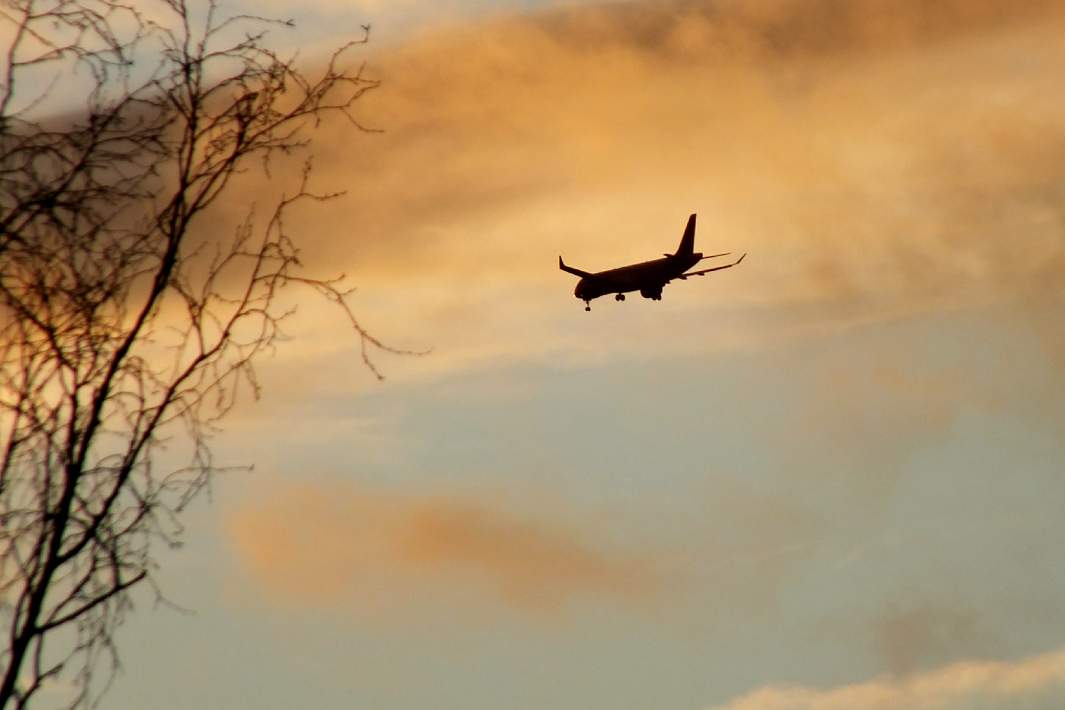
According to the latest information, our compatriots were not affected by the missile strikes. They have not yet applied for emergency assistance, the diplomats said. Nevertheless, due to the shelling of Riyadh airport and the cancellation of flights, Russian citizens began to massively cancel trips to Saudi Arabia, the Russian Union of Travel Industry noted earlier.
At the same time, until recently, there was a surge of interest in traveling from the Russian Federation to the kingdom at the official level. First of all, the visa—free regime between the countries contributes to this - an intergovernmental agreement has been in force since May 11, 2026, allowing Russians to stay in the KSA without visas for up to 90 days.

How will the conflict develop
It is difficult to predict the further course of the conflict now, as the situation is unstable, said Ivan Bocharov, INF Program Manager. According to him, neither side is likely to achieve what they want. Ansar Allah is unlikely to bring down the Saudi economy, which is actively supported by its allies. Riyadh will also not be able to inflict a decisive military defeat on the rebels.
Therefore, it is highly likely that the opponents will return to the 2022 agreements. Then they did not stop the war forever, but stopped its hot phase. Such a scenario will give the parties the necessary breathing space to close the gaps in defense, review their military strategy and prepare for a possible new round of confrontation, the orientalist said.

On the other hand, an effective rebuff to Saudi Arabia, the largest regional player— increases the authority of Ansar Allah in Yemen itself. This allows the movement to demonstrate its strength to supporters and win over the doubters, Ivan Bocharov added. It is definitely not worth expecting the surrender of the Houthis, who enjoy the support of Iran.
The military actions of Ansar Allah pose serious risks to the Saudi economy and, above all, to its oil sector. Attacks on energy infrastructure and the blockade of shipping in the Red Sea (announced back in July 2026) have significantly complicated oil exports from the kingdom, Michelle Bychkova noted.
At the same time, the issue of restoring navigation in the Strait of Hormuz has not yet been resolved. Two main routes for the export of Saudi energy resources were under threat.

According to the expert, the long-term consequences for the investment climate may be even more serious. Regular strikes on oil facilities, airports and transport communications increase the risks for foreign investors. According to the IMF's October forecast, the Saudi economy may shrink by 3.3% in 2026, although growth was previously expected, Michelle Bychkova noted.
The continuation of the conflict will inevitably hit Saudi Arabia's public finances. The kingdom is already facing a budget deficit: for 2026, it was projected at about $44 billion. Now, falling oil exports, rising military spending, and the cost of rebuilding destroyed infrastructure are being added to the old problems.

All this jeopardizes the timing of the large—scale Vision 2030 program, which is Crown Prince Mohammed bin Salman's main personal project to transform Saudi Arabia into a global center of tourism and technology. Riyadh is unlikely to abandon this strategy completely, but a review of financing, the freezing of individual projects and the postponement of deadlines are becoming more likely. And the longer the military escalation lasts, the higher the economic cost for the kingdom will be, concluded Michelle Bychkova.
The Yemeni conflict remains one of the main destabilizing factors in the Middle East. The situation is complicated by the fact that Iran has the only real lever of pressure on the Houthis. At the recent talks on October 11, the Minister of Foreign Affairs of the Islamic Republic, Abbas Araqchi, in a conversation with his Saudi counterpart Faisal bin Farhan, confirmed Tehran's readiness to facilitate dialogue between Riyadh and Ansar Allah.
Переведено сервисом «Яндекс Переводчик»
