
"My mother read me Pushkin's poems and The Tale of the Fisherman and the Fish.

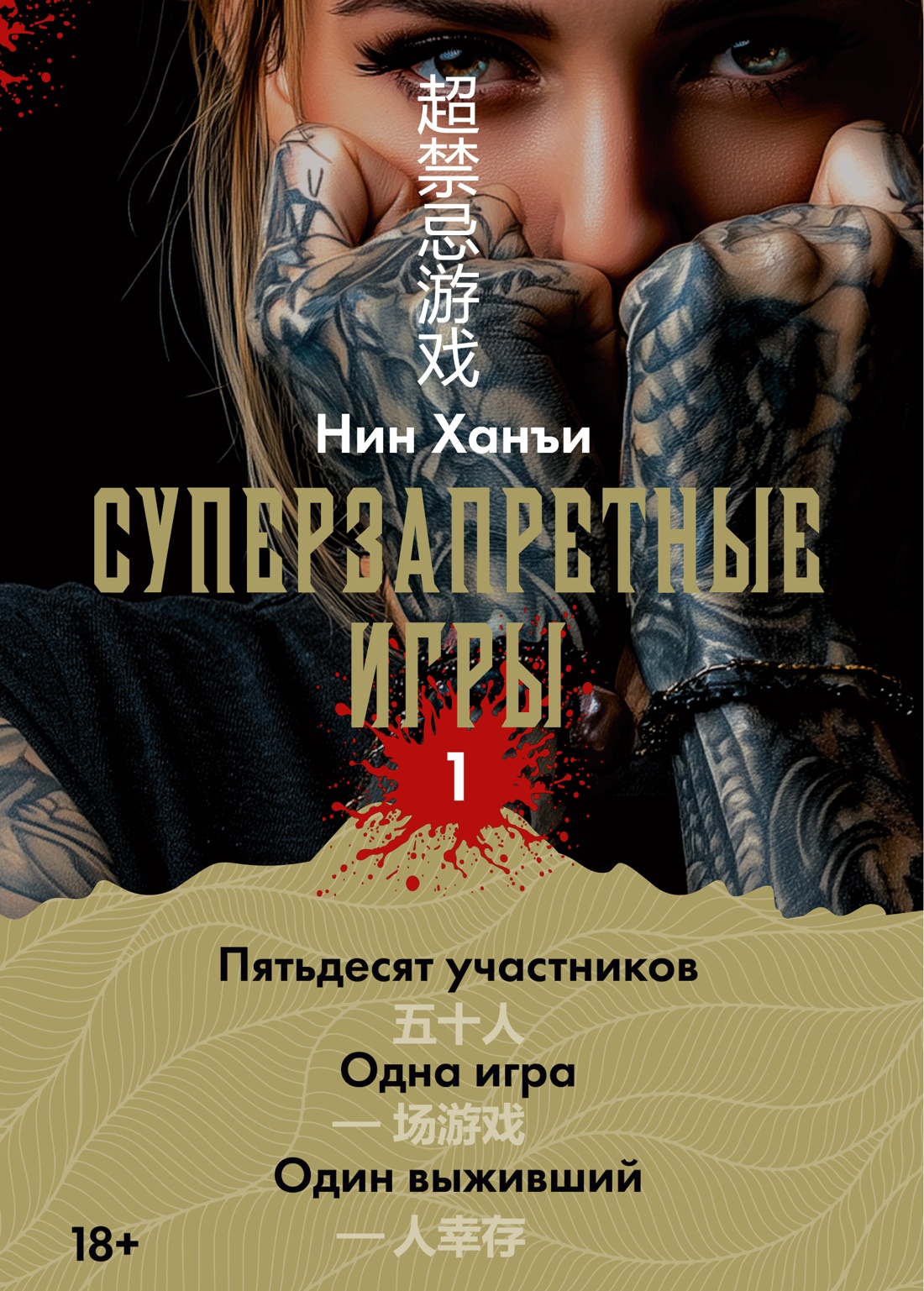
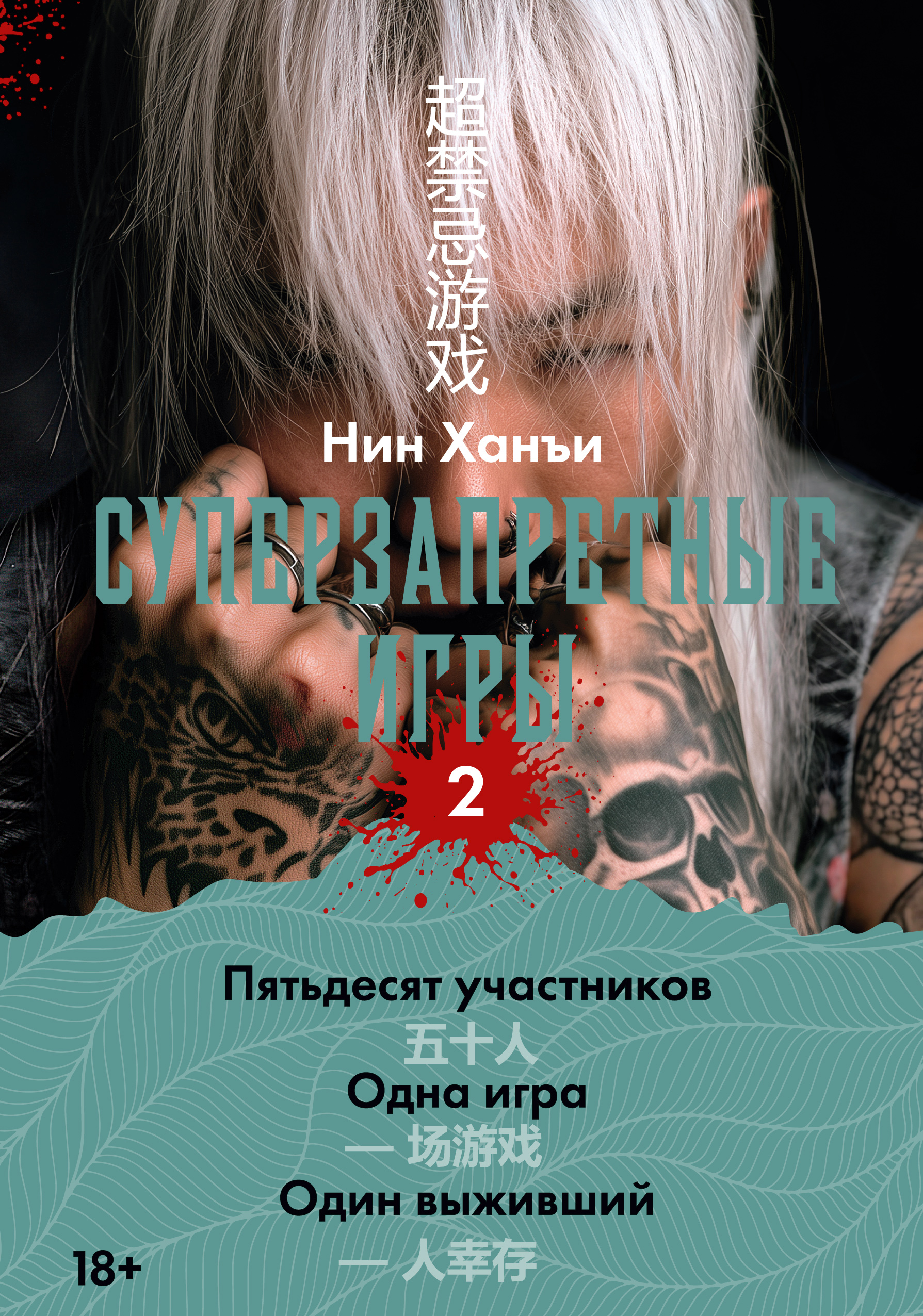
To interest a young audience in literature, it is necessary to address topics that are close to it, such as digital technologies and modern culture, according to one of the leading Chinese writers of the 21st century, Ning Hanyi. He himself likes to tickle the nerves of readers. His cycle "Super Secret Games" topped the rating of action-packed novels in his homeland in 2013, and is now being published in Russia. Hanyi came to Moscow for the first time and, in an exclusive interview with Izvestia, spoke about the competition of writing, the risk of losing his job due to AI, and working on his bestsellers.
"In fact, anyone can become a writer in China"
— Your books are being published in Russian for the first time right now. Why do you think the Russian reader is interested in Chinese detective stories and thrillers?
— I think the point is that action fiction and detective stories in China are developing rapidly and can offer readers a variety. It is a great honor for me that my works help Russian readers to get acquainted with these Chinese genres.
— You are often called the Chinese Hitchcock. Do you like this comparison yourself?
— This nickname appeared during one of the long-ago interviews. I told the reporter then that I really love Hitchcock, his films, and the way he creates scary stories. Every time they call me that, I take it as a great honor.
But I understand that I will never be able to match him. Hitchcock is a great master, but I'm still learning and I hope to get closer to his level one day. In my early works, some of the features of his work are noticeable. Although over time I have developed my own style and try to keep it, without giving up on the influences that are close to me.

— And who does Ning Hanyi read himself?
— I read quite a lot, including to be inspired by the works of other authors, but I do it haphazardly. It's hard to identify any patterns: sometimes a book attracts me with a description, and I read it in its entirety. Sometimes I read the beginning and go straight to the ending to find out the plot. And sometimes I look through individual fragments and drop the book in the middle because I understand: not exactly mine.

— You started actively publishing about 25 years ago. Your books were distributed not only in the traditional format, but also on the Internet. Web novels are a large independent part of the Chinese book market. How does it work?
— When I first started, I wrote in the traditional format. At first I finished the book, and then I tried to publish it in parts, for example in magazines. But it was almost impossible to achieve popularity. There were few readers, and it was not easy to distribute his works. Then I participated in a literary contest, which helped me become a little more famous, although not as much as I would like.
Then a friend told me that the era of the Internet was beginning and it was worth trying to publish works online. I followed his advice and became famous pretty quickly. This is understandable, because today almost everyone uses the Internet. If you post your works on online platforms, more people will see them, and readers will be able to distribute them through likes and reposts.
But I can't call myself an Internet writer. In the Chinese web novel industry, in order to remain popular, you need to write at least 2,000 hieroglyphs every day. I'm not ready to work at this pace: it's too hard for me. That's why I prefer the traditional format.

— Do I understand correctly that books are published for free on the Internet?
— There are two types of web novel platforms in China. Readers don't pay anything for some of them, but there is no moderation, so no one can guarantee the quality of the works. On others, the first chapters may be free. And if the book begins to gain popularity, then subsequent chapters are monetized depending on the success of the work. Both options have pros and cons, but each one helps aspiring authors break into the industry.
— How difficult is it for a novice author to succeed in China? Is there much competition in literature?
— I became a writer quite a long time ago, when the competition was not so high. There are now more than 250,000 novels on the Chinese Internet, and it has become much more difficult to gain an audience. In fact, anyone can become a writer in China. It's enough to come up with an interesting story and publish it. But it's really not easy to break through.

"Young people are more attracted to videos and computer games"
— Are you familiar with Russian literature?
— I got acquainted with Russian literature in childhood. My mother read me Pushkin's poems and "The Tale of the Fisherman and the Fish." In addition, there are quite a lot of Russian works in the Chinese school curriculum. For example, we study Gorky's "Song of the Petrel" and Chekhov's "Chameleon". Of course, we also get acquainted with Dostoevsky, we read Crime and Punishment. I hardly know modern Russian authors, but during this trip I would like to get acquainted with the work of young writers and, if possible, communicate with them.

— Russia is often called one of the most reading countries. Do they read a lot in China?
— Unfortunately, I cannot say that modern Chinese, especially young people, read a lot. Due to the development of digital technologies and, above all, short videos, it is becoming more difficult for people to perceive large amounts of text. Young people are more attracted to videos and computer games.
But my generation, the people who were born in the 80s and grew up in the 90s, spent a lot of time reading books. They were an important part of our lives. I'm sorry that the interest in reading has decreased today. At the same time, I believe that it can be supported by including topics in the literature that fascinate a new generation. For example, games and modern culture. Although, if we recall web novels, then Chinese youth, of course, reads quite a lot.
— In "The Mystery of floor number 12" you address quite realistic social conflicts. What topics are especially important to talk about today?
— Before the novel "The Mystery of Floor number 12", my works were mainly related to science fiction or fantasy. This time I decided to turn to social topics. But, as in many of my other books, the main theme here is the study of personality in circumstances as far from familiar as possible.
I'm especially interested in what a person becomes like when his life is suddenly in danger or when he doesn't know what to expect in the next second. In everyday life, we eat, go to work, study, sleep, and make choices every day, even in small things. But what happens to the psyche if we are suddenly placed in completely different conditions? Will we make the same decisions as we do in everyday life, or will we turn into someone fundamentally different?
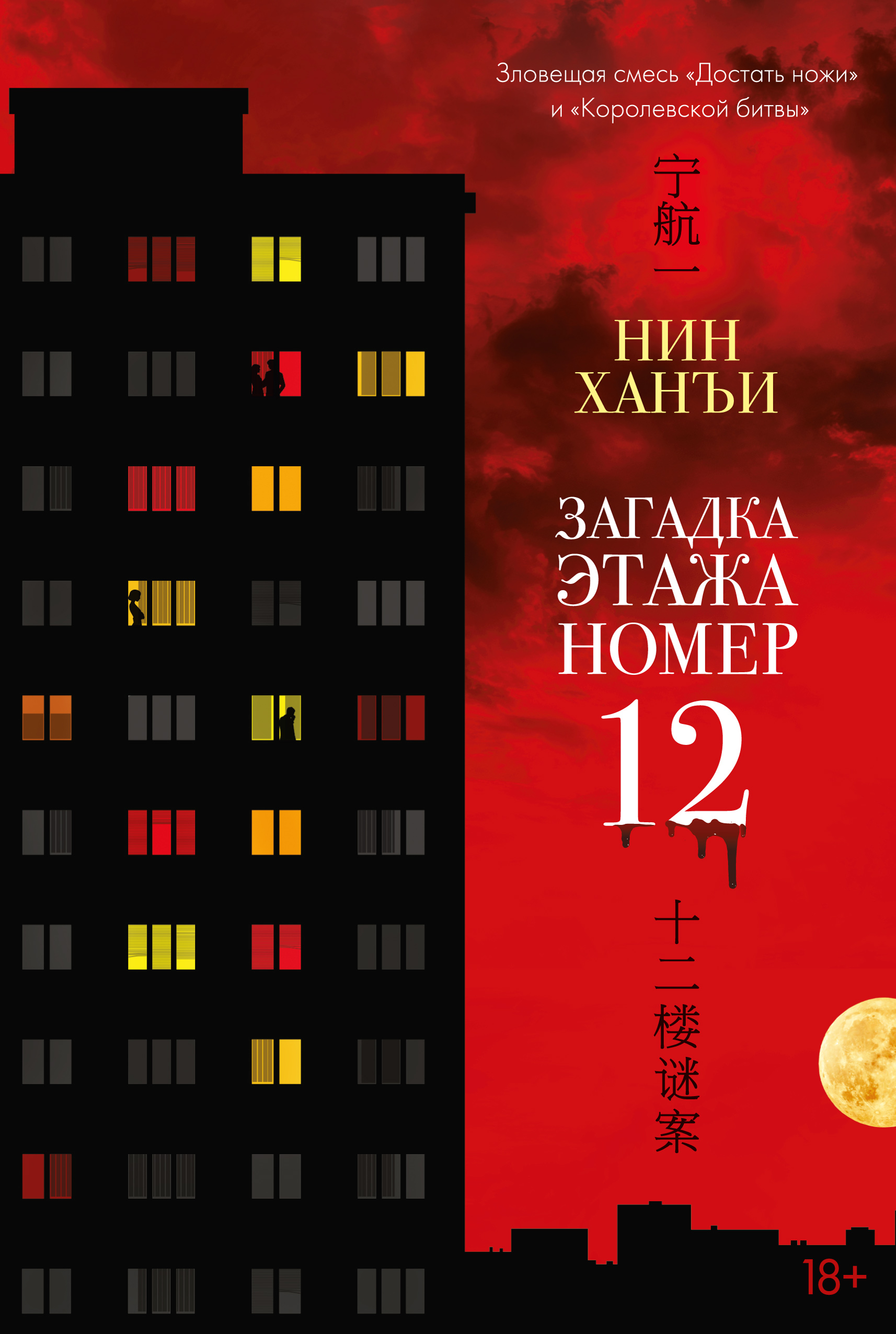
— In April, "The Mystery of floor number 12" was published, and now "Super Secret Games" are being released. Which book would you recommend to Russian readers next?
— Of course, I could recommend all my books, but I especially want to pay attention to my new work, Leaked Secrets. It has not yet been officially released in Chinese. I think the Chinese and Russian editions will appear approximately at the same time. I offered it to the ABC publishing house. The rights to the film adaptation of the novel have already been purchased: one famous director really liked the idea. I am sure that Russian readers will also like the book.

"People don't like content created entirely by AI"
— You are a very productive author — you have published more than 40 novels. What does your working day look like? Do you follow, for example, the principle of Jack London, who tried to write a thousand words every day?
— I perceive writing as a real job. I'm trying to stick to my usual work schedule: from Monday to Friday, from about morning to six in the evening. I usually set myself the task of writing 4-5 thousand characters a day. On weekends, like everyone else, I try to relax. If a thought comes up, I can write it down, but in general it's a time for rest.
I consider this regime to be quite healthy. At the same time, I don't have a strict hourly schedule or strict deadlines. The balance between work and leisure allows you to stay creative. If I had demanded more of myself, I probably would have filled out much faster.
— We live in a very interesting and changing time. One of its most important components is artificial intelligence. How do you feel about him?
— Artificial intelligence has already become an important part of our lives. It has both advantages and disadvantages. I can contact an intelligent assistant at any time and ask almost any question. Before traveling to Russia, I asked about the time difference, how to operate at the airport and what procedures are provided for at passport control. They answered everything in detail.
It's very useful. But when it comes to the impact of AI on creativity, I can't be happy. Because videos created with it displace real people. In China, many actors who have been studying for years have been at risk of losing their jobs because of such commercials.
I also know that artificial intelligence is used to write novels. But, in my opinion, real creativity is born from human experience and genuine feelings. Artificial intelligence is not a human, it cannot have such an experience and such feelings. Therefore, it seems to me that there is no soul in such work. And then the question arises: why create it?
— So you don't use AI in your work?
- no. Sometimes I can ask him a question about a historical fact or ask him to check something quickly. But artificial intelligence is not able to express what I want to say exactly the way I want to do it. Therefore, I see no point in referring to him in my work. My job as an author is to handle this myself.

— Are such joint creative fruits labeled in China?
— There is a rule on the Chinese Internet: if a video is created using artificial intelligence, it must be indicated. Otherwise, the content will be deleted and the user may be blocked. The same thing happens with literary works. People don't like content created entirely by AI.
If the author does not specify this, and readers find out for themselves how the work was created, it will also be deleted immediately. If a person wrote part of the text on their own, and the AI used it to check for errors or to work on individual fragments, the combination of these methods can be perceived normally. But readers don't like a fully generated work.
— You write a lot about human fears. What scares Nina Hanyi, a writer and a person, the most today?
— You can say that I am writing about my main fear. The usual horror stories—monsters, zombies, and the like—don't scare me at all. What I'm most afraid of is the unknown: situations where you don't know what's going to happen next, where the danger is coming from, or how to prepare for it. It's usually the same in my novels. Therefore, when I write, sometimes I am afraid of what happens.
Переведено сервисом «Яндекс Переводчик»
