A financial expert warned about the risks of using credit cards

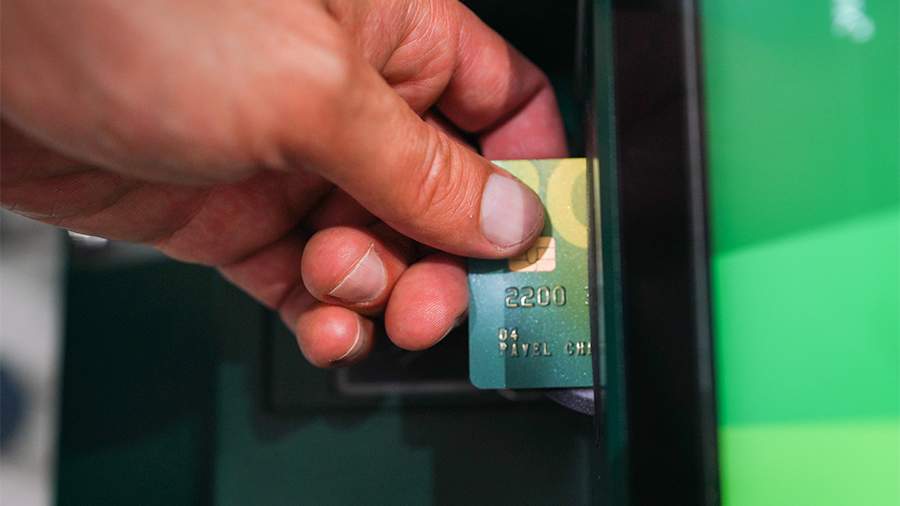
A credit card is a powerful financial tool, but it requires a disciplined approach. Tamara Gorbunova, an independent financial consultant and personal budget expert, told Izvestia on September 18 about the potential risks of using credit cards and how to use them correctly.
"The main rule is that we use a credit card when we have money, not when we don't have it. That is, use it for everyday expenses, but only for those for which you already have money on your debit card. Just pay with it, and then — during the interest—free period — repay the debt in full," Gorbunova explained.
The expert emphasized the high cost of credit card loans. The rate on the card is on average 5-7 percentage points higher than on a loan from the same bank. Gorbunova recommended always paying off the debt during the grace period, avoiding minimum payments, which she called "a trap leading to huge interest."

The financial advisor also advised to limit the credit limit. According to the classics of financial planning, she clarified, the limit on the card should not exceed the minimum monthly income. For example, if the monthly salary is from 50,000 to 250,000 rubles, then the total limit on all credit cards should not exceed 50,000 rubles.
"The Bank has the right to change the terms on the credit card without notifying the customer, including changing the limit, service cost and interest rate. If cash withdrawals or transfers on the card fall out of the grace period, they take place with a commission, this is your responsibility," Gorbunova warned.
She also explained the impact of the credit card on the credit history. By itself, the presence of a credit card has a positive effect only if it is used correctly. The bank sees that you are a reliable borrower who uses borrowed funds carefully. But even a small delay will lead to a deterioration of the entire credit history.
The expert concluded that a credit card helps you conveniently plan a budget, save for bonuses and improve your credit history, but in the hands of someone who spends more than they can afford, it turns into a very expensive loan.
Earlier, on August 1, eCredit experts (part of Auto.<url>") told Izvestia about the frequent cases of Russians making a large down payment when buying a car on credit. It was clarified that in the first six months of 2025, the share of car loans with a contribution of more than 50% increased to 37%, and the share of those who take out a loan with a minimum contribution (0-10%) decreased to 8%.
All important news is on the Izvestia channel in the MAX messenger.
Переведено сервисом «Яндекс Переводчик»
